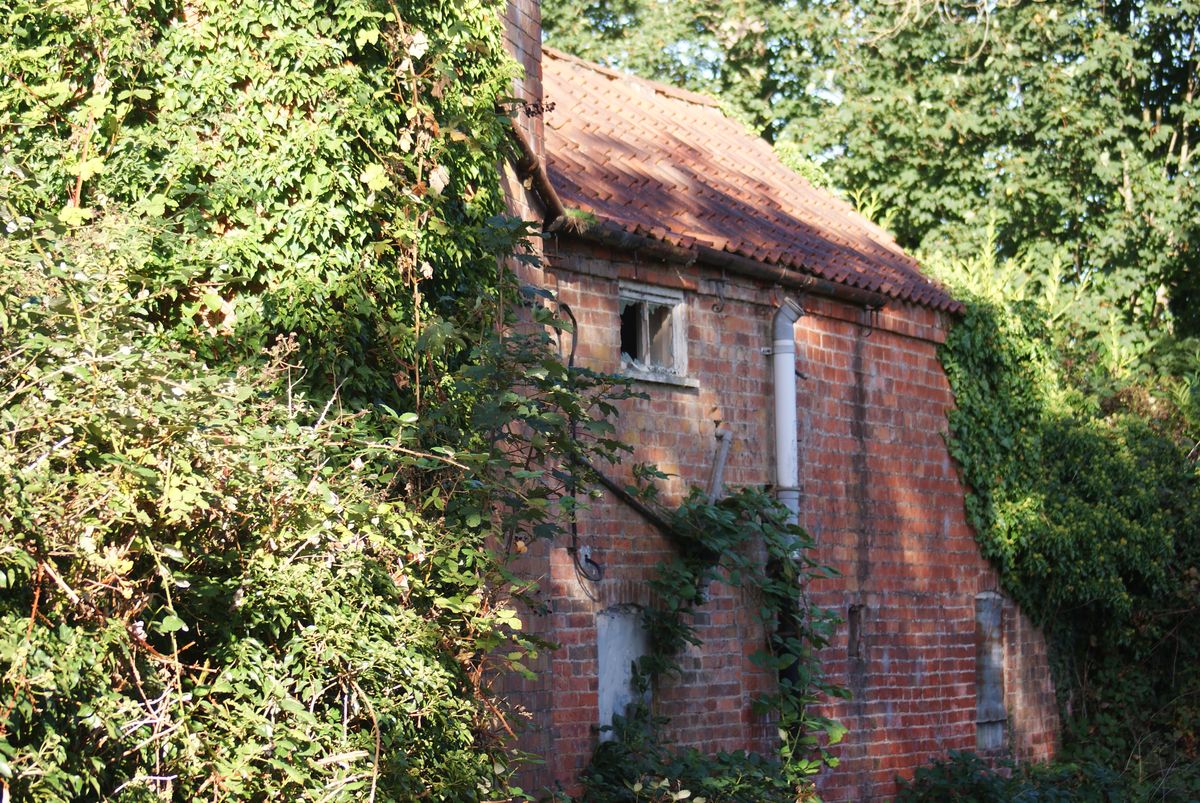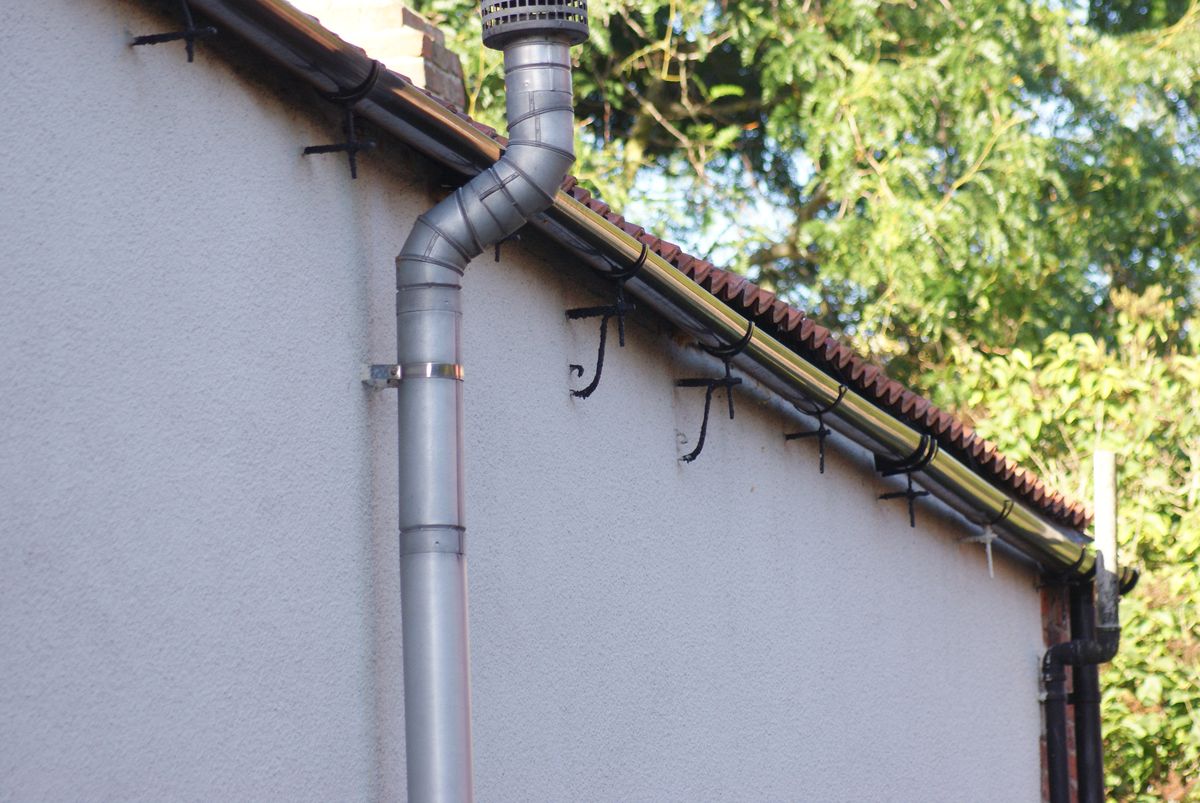
There’s a derelict haunted house in Sutton-on-Trent (image 1). To be honest, no one has actually said it’s haunted — but it’s definitely derelict, and if anywhere ought to have a ghost in residence, then that’s the place. It’s an ideal location for haunting: not too far from the beaten track to get the occasional trickle of passers-by, yet surrounded by enough bramble and undergrowth to be almost inaccessible. I imagine a ghost who enjoys their own company, but likes to indulge in spooking the odd wanderer, would be quite happy with this property.
I’ve fantasised about purchasing it and renovating the place. And I’ve considered — and surmised — that I wouldn’t be too perturbed about sharing the house with an introverted ghost. The wife and kids, however? Probably not. So our loner phantom would likely have to be served an exorcism eviction notice from the local parish priest.
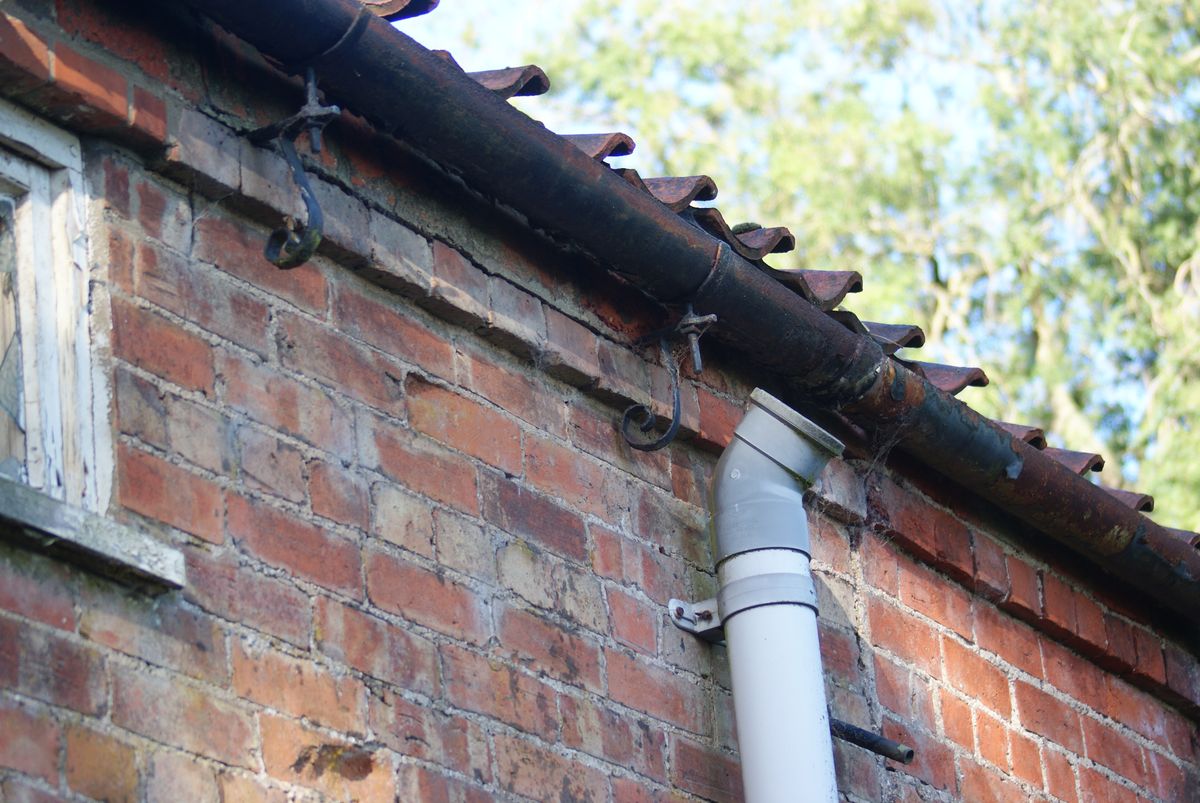
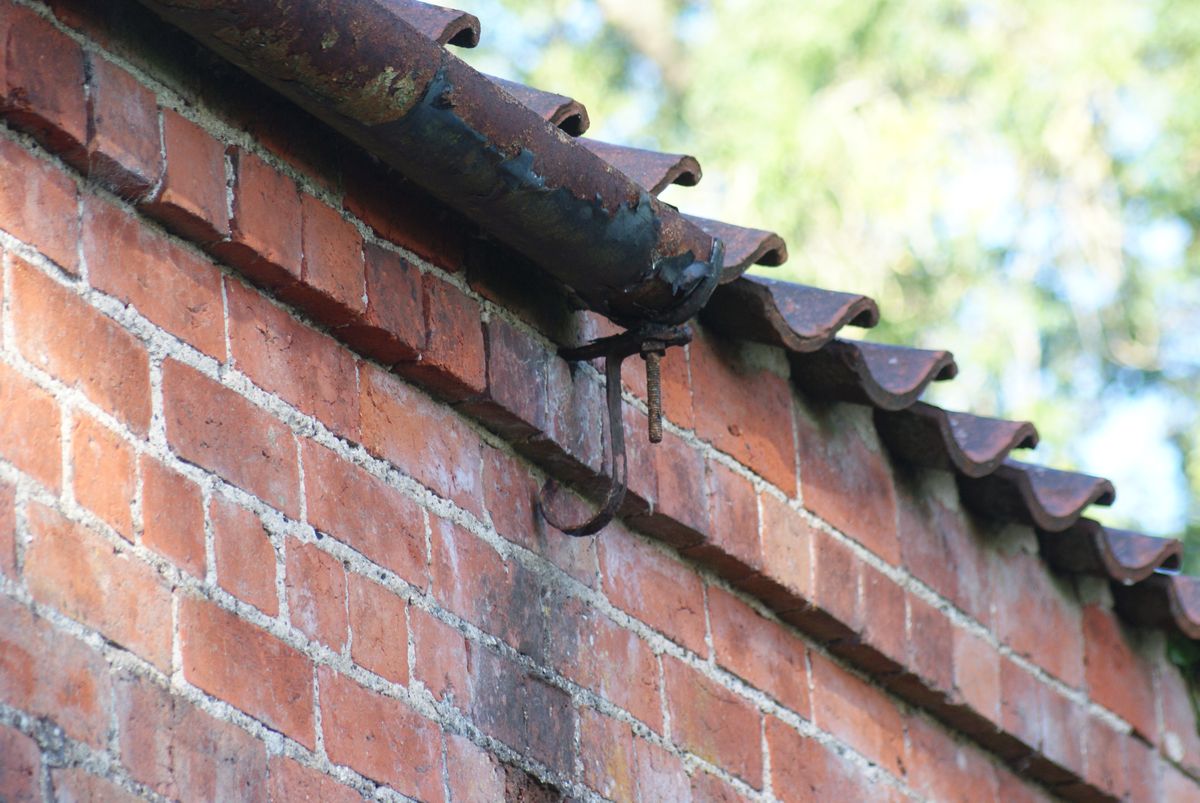
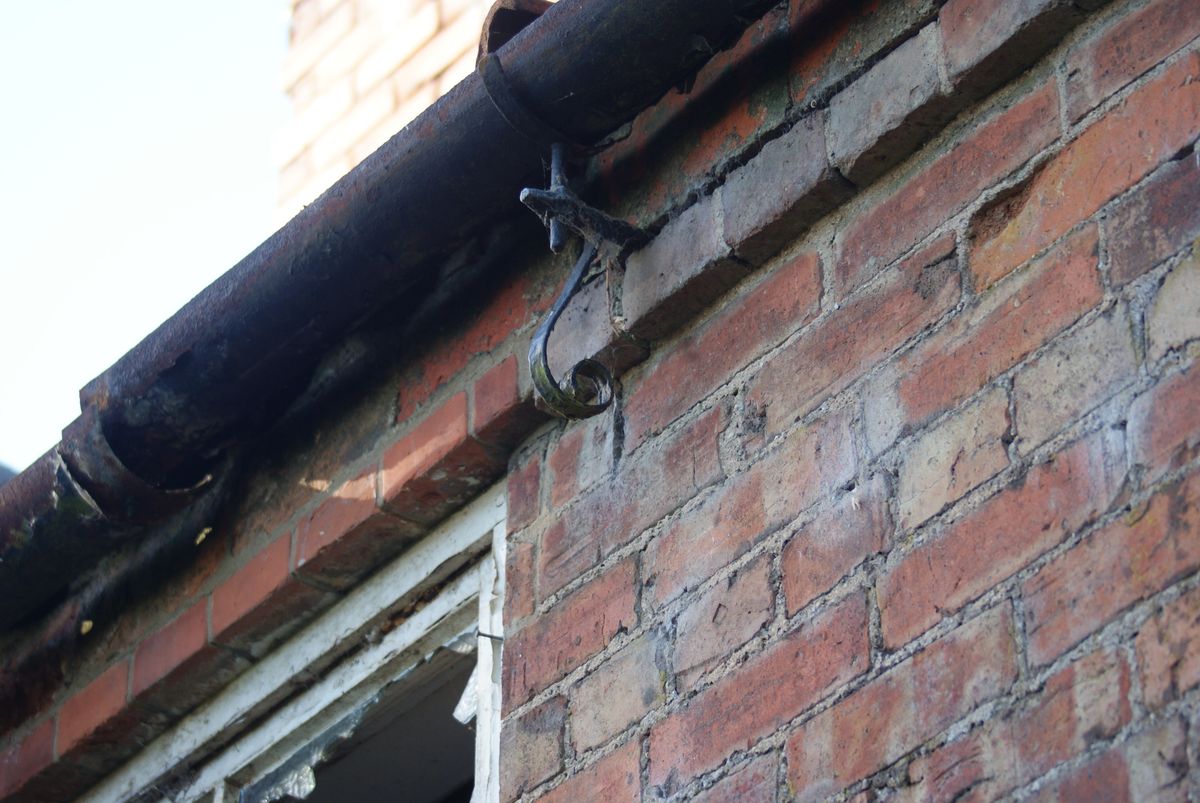
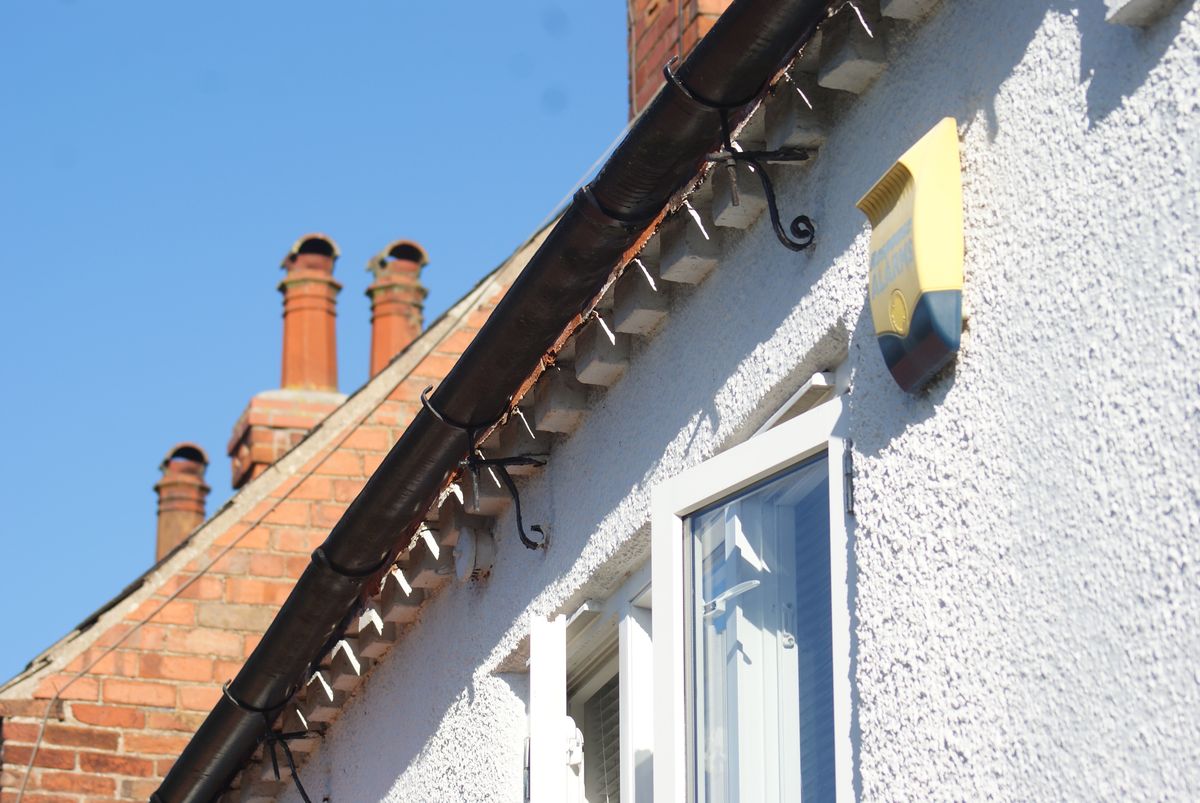
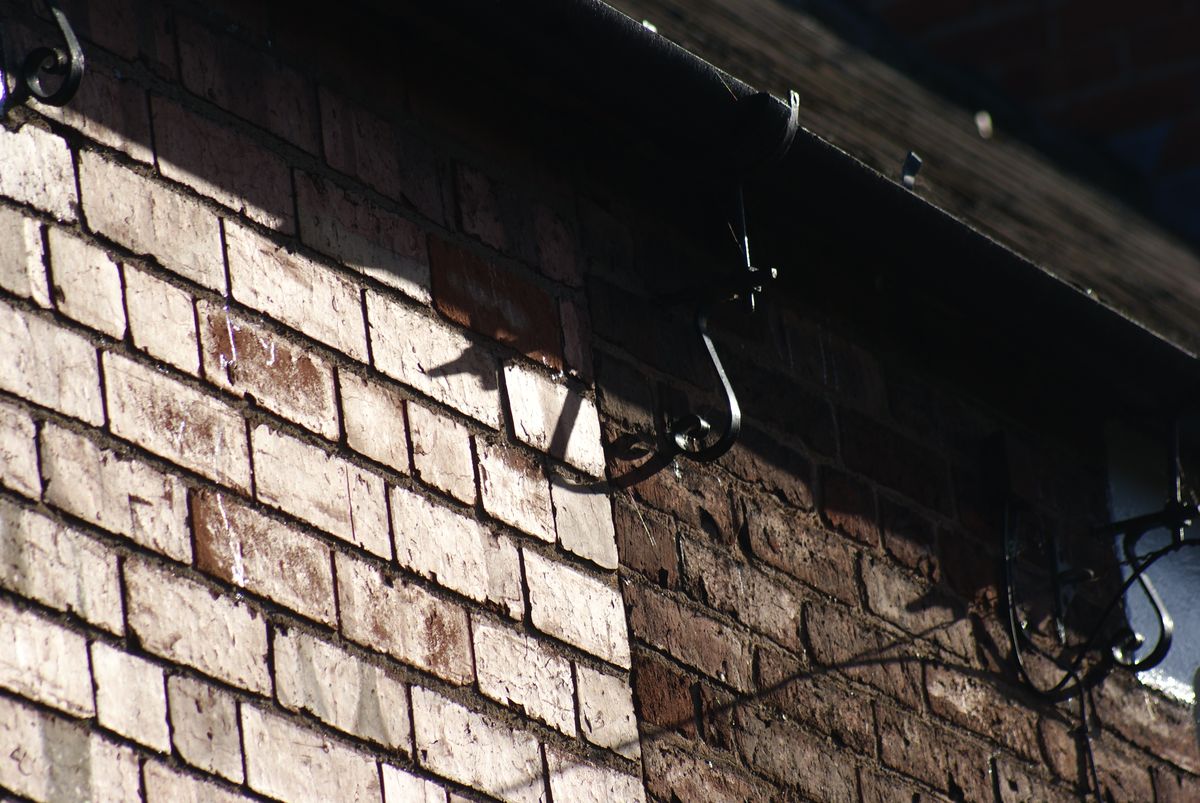
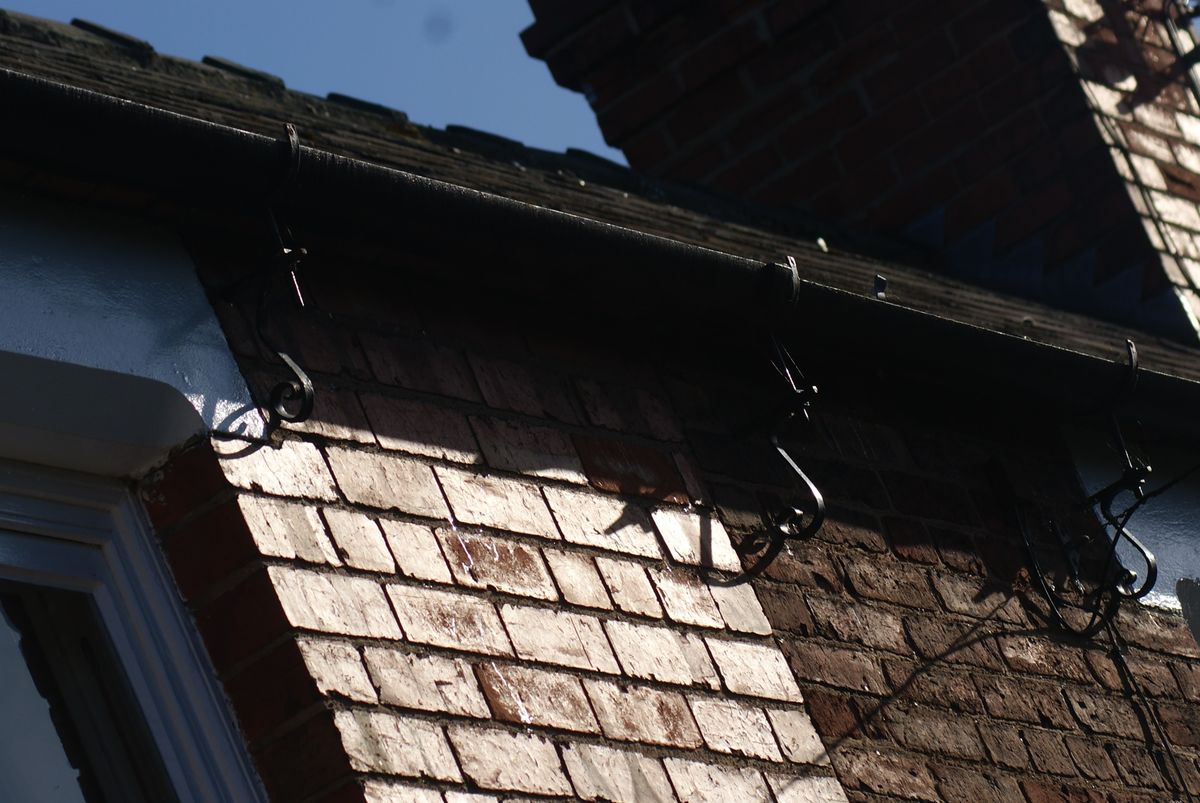
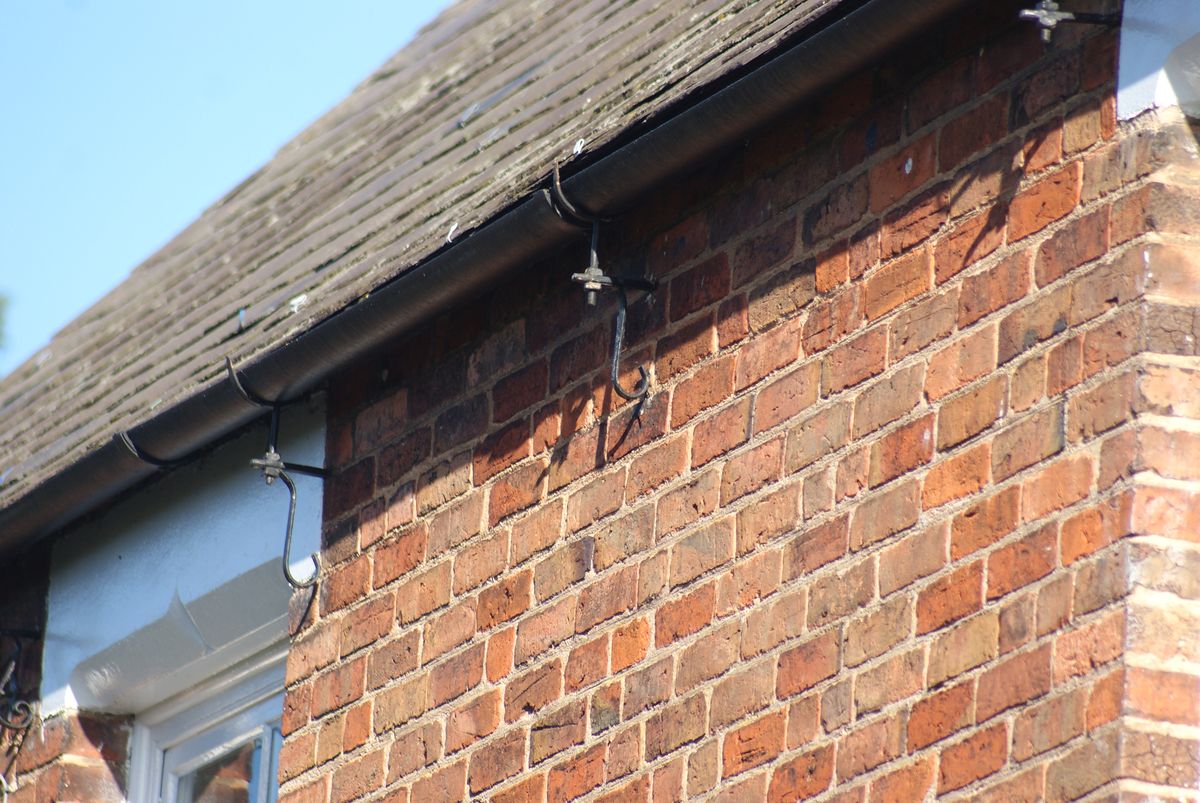
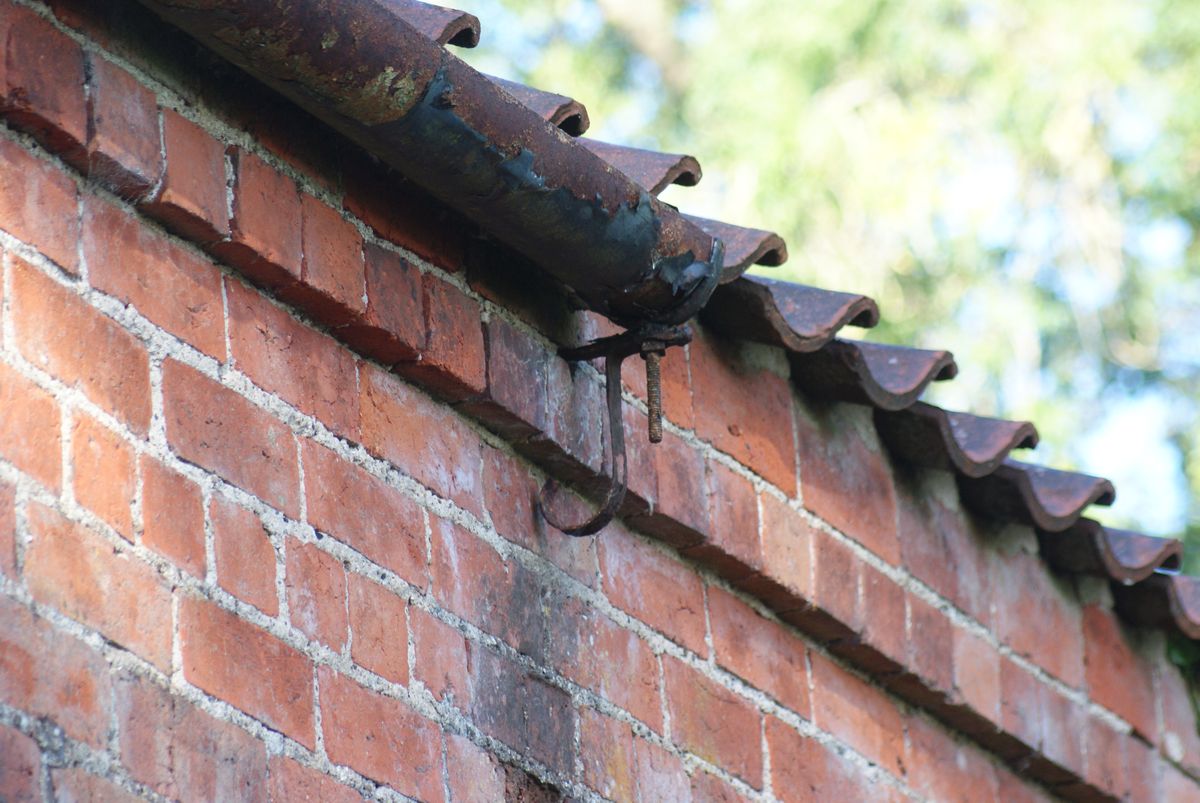
Still, something I hadn’t noticed before about this derelict house are the antique gutter brackets on the north-facing wall (images 2–3). Like most of the building, they’ve decayed into obscurity — clinging to the physical world by their fingertips on the cliff edge of oblivion. They’re ghosts themselves: half visible, half implied. One bracket, however, seems to be taking it all in stride. Someone, at some distant point in time, gave it a lick of metal paint (image 4), leaving the rest to battle the elements in what feels like a strange ritualistic experiment. And we see the results.
Old-style gutter brackets can last more than a lifetime with just a bit of care — a brush of paint every decade or so. Take image 5. These antique brackets are well past half a century old and of such quality — preserved by the occasional dab of paint — that after a roof renovation, the builders were able to continue using them to support the new rainwater guttering system. Yes, some of the scroll work has been partially embedded in wall render during the recent restoration, but from the front of the building (image 6), you can clearly see they’ve been maintained over the years.
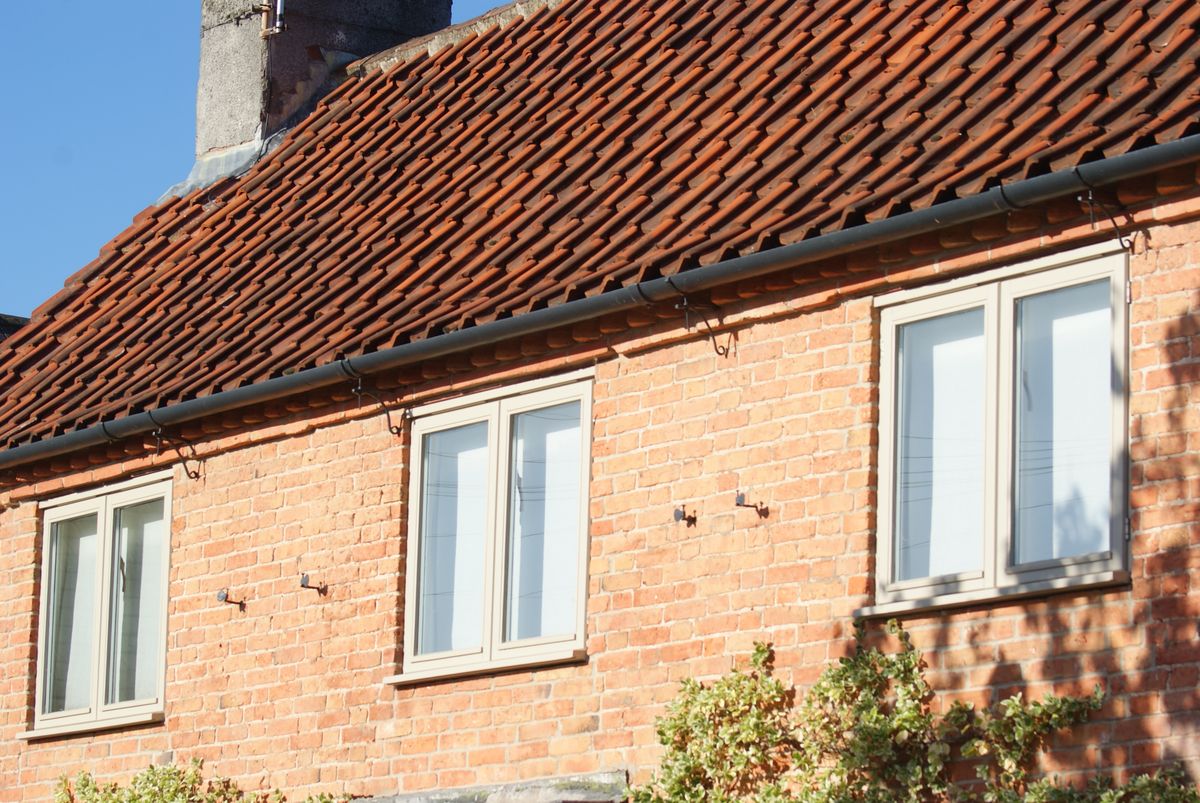
Interestingly, it was these very decorative brackets that first piqued my curiosity into the form, function, and regional styles of metal rainwater brackets. I remember vividly — lining up to take my children into primary school — watching workmen restore the roof and reuse the brackets you see in image 5. The cottages next door to this white house also have a similar scrolled bracket design, only older (images 7–8). You can tell by the square nuts supporting the threaded bar, rather than the six-sided variety used on the white house.
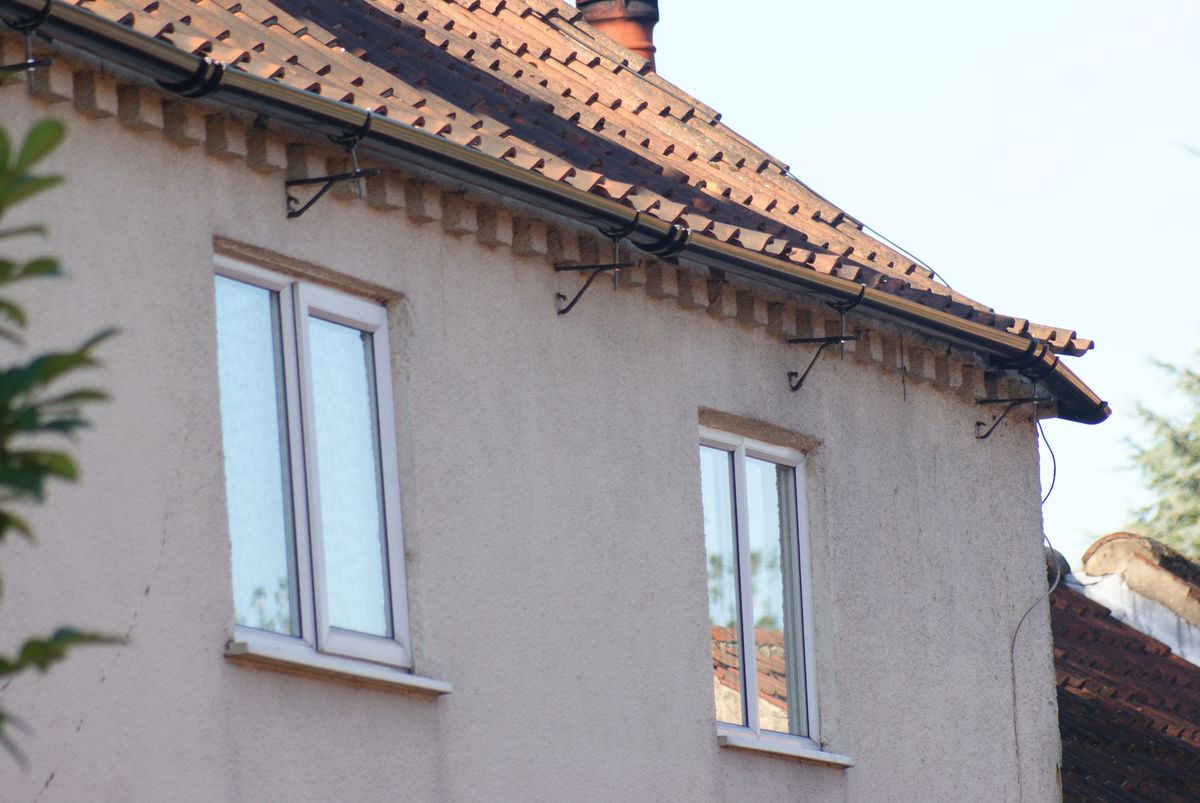
I’d like to thank the lovely lady who invited me into her garden to photograph her handmade gutter brackets. Hers were all three-quarter scrolls that curve inward toward the wall. No shifting from foot to scroll and back again like we often see elsewhere. They’ve been well maintained and ought to last another fifty years. She did mention, though, that her only complaint is that the brackets at the rear of the cottage lack that traditional style. Next door again had the same design — though a few of their scrolls have opened up over time (image 9).
This is a common theme. And I believe it’s due to unequal distribution of heat — or the lack of it, in cold-forged pieces — through the metal at the time of forging. The inner crystalline structure ends up under greater tension than the outer layers and behaves like a spring. When the metal is heated by the sun, expands, and cools repeatedly, that tension slowly unwinds the scroll — imperceptibly at first, until, after many decades, the curve opens fully. At SmithWork, we ensure a uniform heat before forging to prevent this.
Deeper into Sutton-on-Trent, someone had bought their own haunted house — and brought it back to life. What I particularly liked about this project was the attention to detail. The homeowner had taken care to source a blacksmith to forge modern gutter brackets that were sympathetic to the building’s aesthetic.
From what I can see, the blacksmith rounded off and tapered the tips of 12mm square bar stock, creating a beautiful three-quarter scroll that faces outward (image 10). Just around the corner was another example — a roof and guttering system upgrade that retained the original brackets. What I appreciated here was how the owner kept the antique bracket scrolls, but swapped out the gutter cradle and the downward threaded bar that connects them to the support arm (image 11). A fine example of a retrofit — something we specialise in at SmithWork.
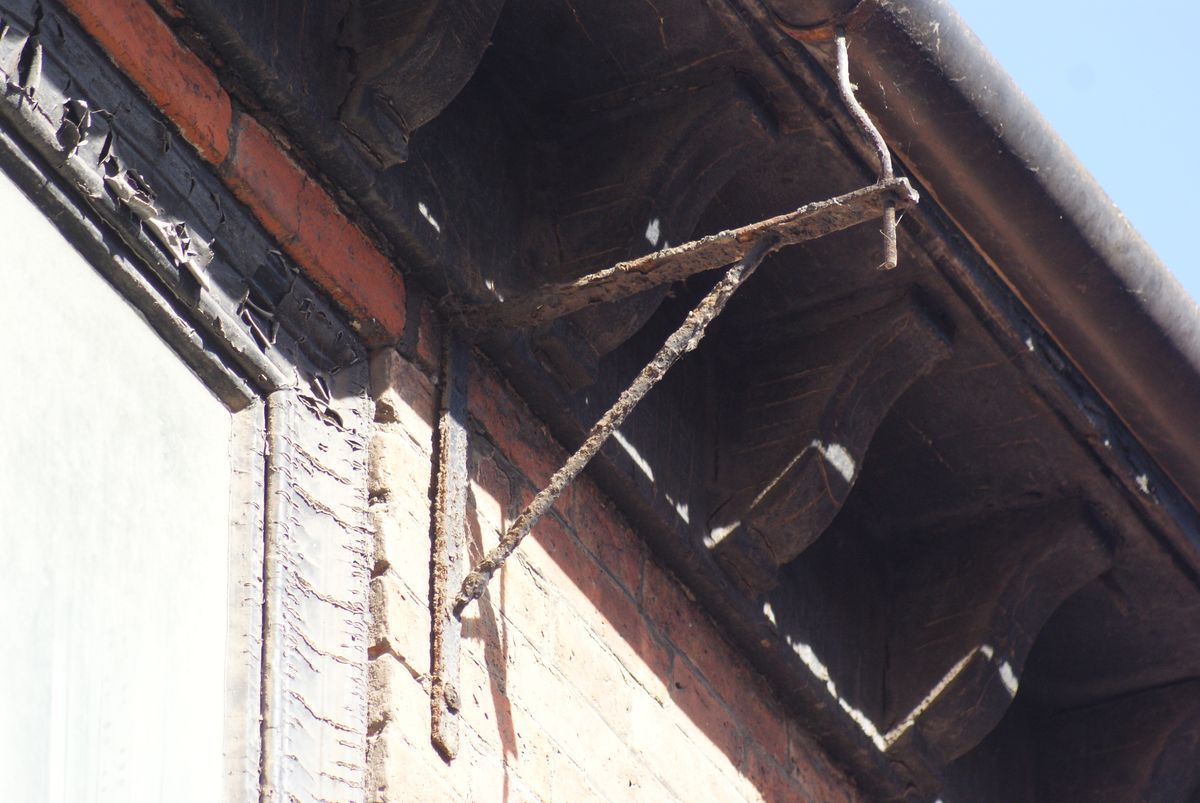
That’s pretty much it for this part of Sutton-on-Trent. At some point, I’ll head to the other side of the village and gather more examples. But for now, I’ll leave you with the odd, spooky-looking bracket I found in Newark (image 12). Which, I’m sure you’ll agree, would look right at home on my haunted house.